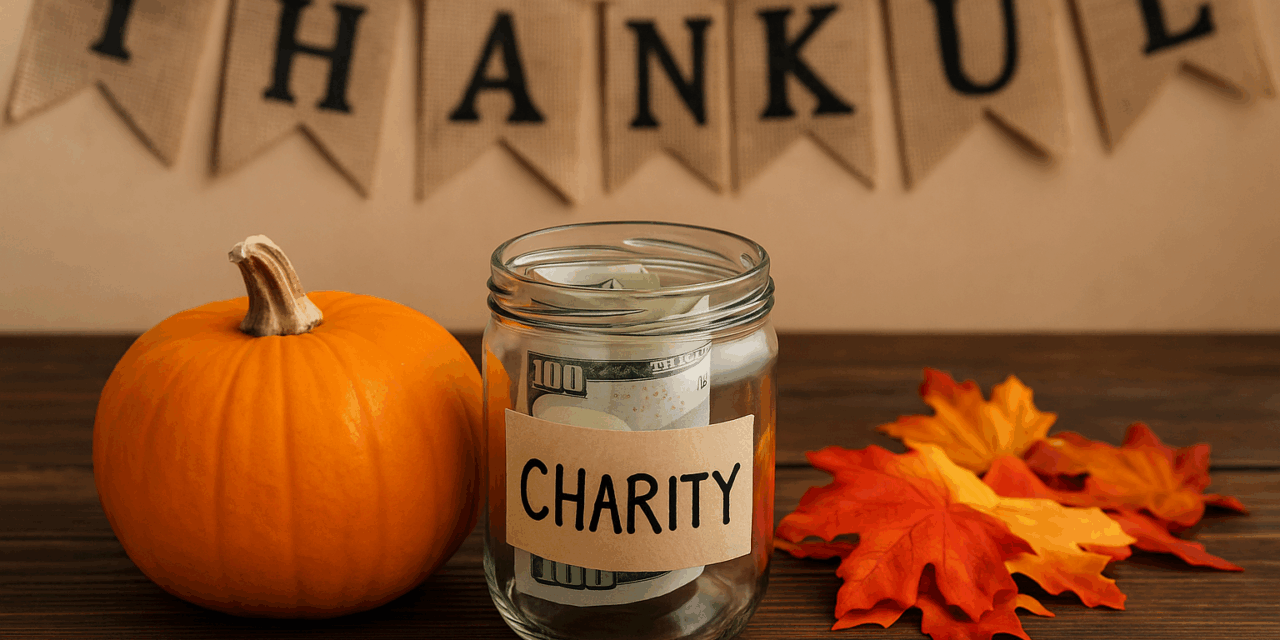
The season of giving brings out the best in many people—but unfortunately, it can also bring out scammers looking to take advantage of your generosity. Around Thanksgiving, fake charity scams become increasingly common, often preying on people’s good intentions and the desire to help those in need during the holidays.
These scams typically come in the form of emails, phone calls, social media posts, or even text messages claiming to represent well-known charities—or worse, made-up organizations that sound legitimate. The scammer may use urgent language, emotional stories, or seasonal references like “help families have a Thanksgiving meal” to pressure you into donating quickly.
To protect yourself, take a moment to verify before giving. Reputable charities will never rush or guilt you into donating. Visit the official website of the organization by typing the URL directly, not by clicking links in unsolicited messages. Use trusted platforms like Charity Navigator or the IRS’s nonprofit lookup tool to confirm legitimacy.
Also, be wary of requests for payment via gift cards, wire transfers, or cryptocurrency—these are common red flags. Stick to using secure, traceable methods like a credit card or PayPal on a verified site.
This Thanksgiving, giving to those in need is a beautiful gesture—but be sure your help reaches the right hands. A little caution can go a long way in ensuring your generosity has the impact you intend.