Cooking with herbs is one of the simplest ways to enhance flavor, aroma, and character in everyday meals. Long before modern spice blends and specialty seasonings became common, home cooks relied on time-tested herb pairings to bring depth to familiar dishes. A classic reference from the Bedford Garden Club archives, titled Suggestions for Using Herbs, highlights how thoughtfully chosen herbs can elevate soups, meats, vegetables, and sauces.
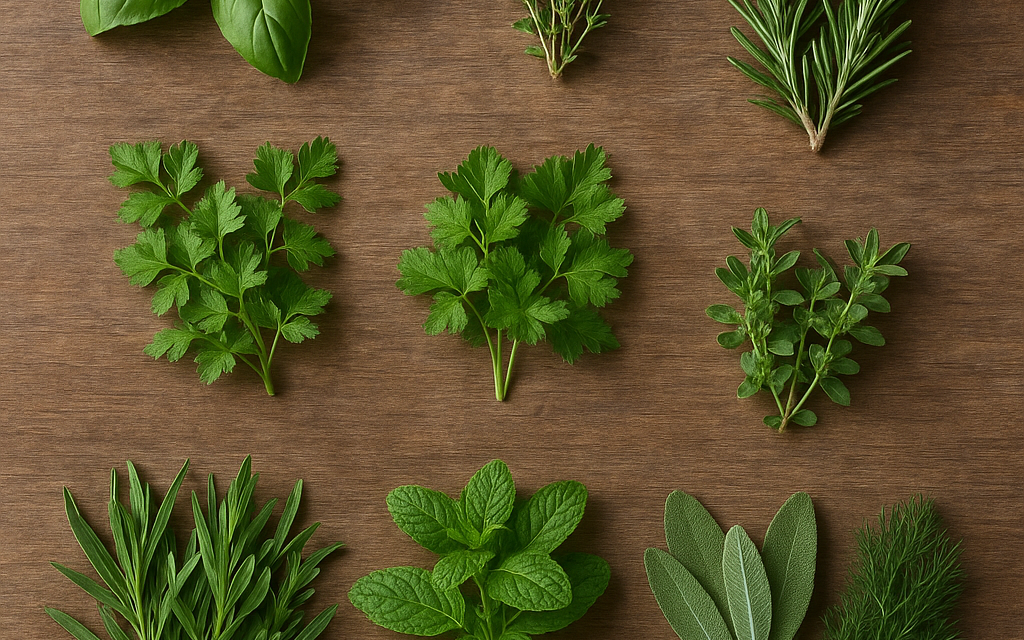
Tender herbs such as basil are well suited for tomato-based dishes, omelets, fish, salads, and vegetables, where their fresh flavor can shine without overpowering the dish. Thyme, a more robust herb, pairs naturally with chicken, sausage, stews, and chowders, offering warmth and balance during longer cooking times.
Delicate herbs like chervil and tarragon are especially effective in egg dishes, cream sauces, and seafood, lending a subtle, refined flavor that complements rather than dominates. For heartier fare, herbs such as rosemary, sage, and marjoram have long been associated with meats including beef, pork, lamb, turkey, and duck. These herbs are commonly used in stuffings, sausages, and roasts, where their bold character holds up well during cooking.
Bright, fresh herbs also play an important role. Mint adds lift to peas, carrots, fruit salads, and desserts, while dill weed enhances fish, eggs, squash, and cheese-based dishes with its distinctive, clean taste.
What this archived guide reminds us is that cooking with herbs doesn’t need to be complicated. These traditional pairings—preserved through the Bedford Garden Club—remain just as useful today, offering a practical foundation for flavorful, confident cooking rooted in community knowledge and tradition.