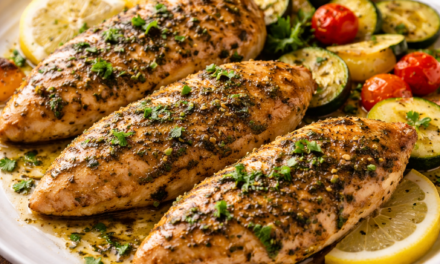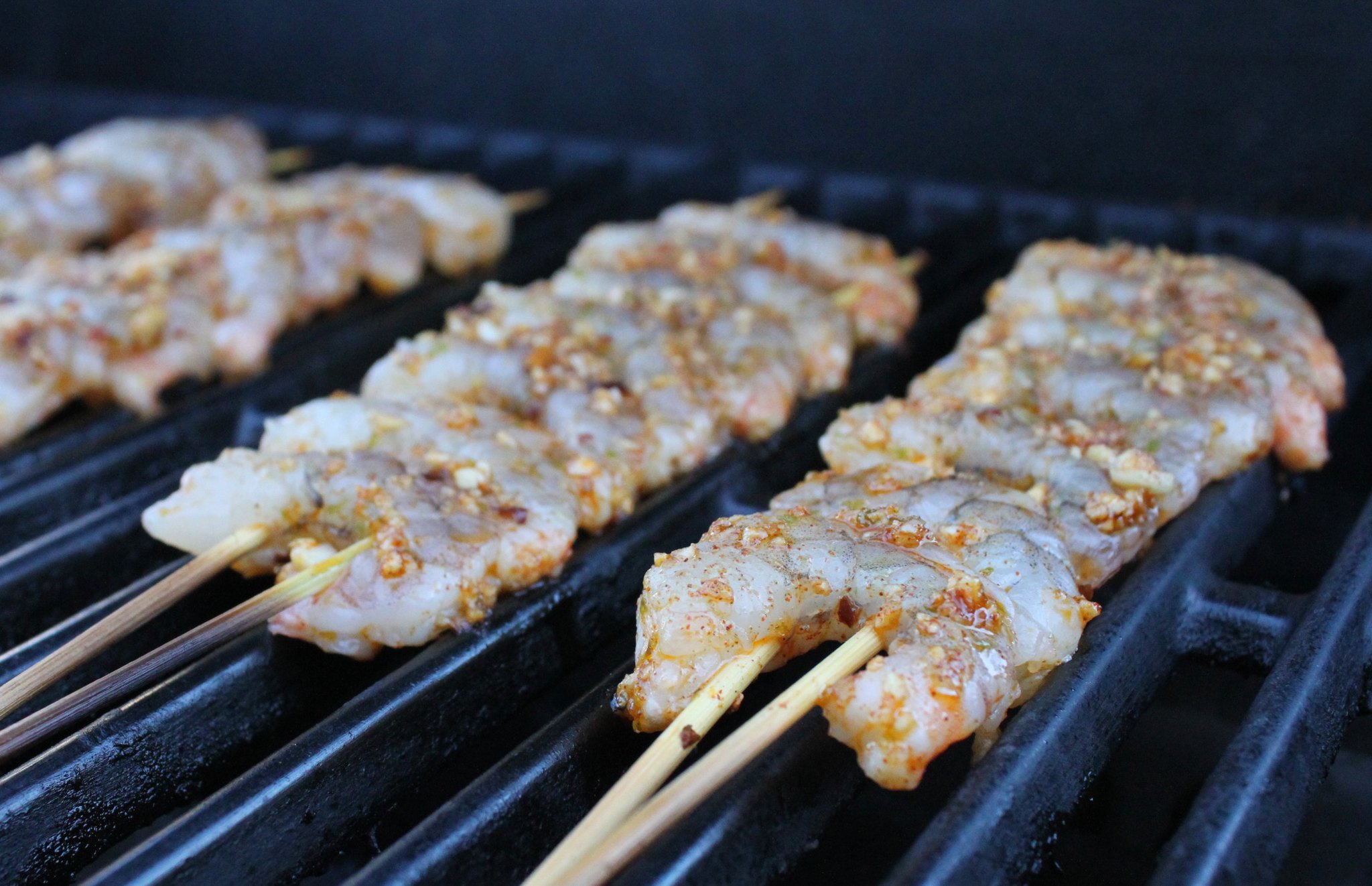
Deglazing is a foundational cooking technique used to capture and enhance the flavorful browned bits—known as fond—that stick to the bottom of a pan after sautéing or searing. Instead of discarding these bits, deglazing transforms them into the base of sauces, gravies, and pan reductions, adding depth and richness to everyday meals.
How Deglazing Works:
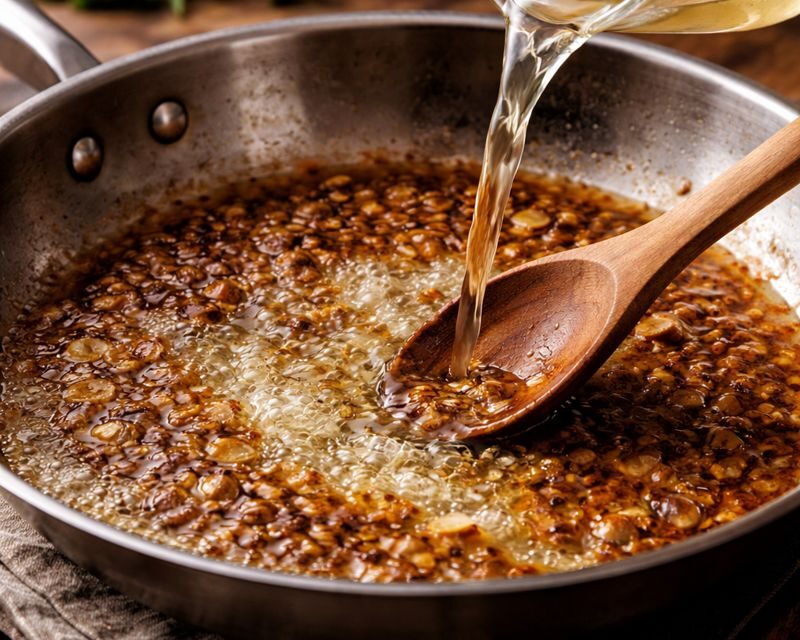
After cooking meat or vegetables in a pan, small caramelized pieces remain stuck to the surface. While the pan is still hot, a liquid such as broth, wine, vinegar, or even water is added. As the liquid heats, it loosens the browned bits from the pan. A wooden spoon is used to gently scrape them up, dissolving them into the liquid.
This process usually takes just a few minutes, but it creates a flavorful foundation that reflects everything cooked in the pan. Deglazing can happen after searing chicken, pork chops, vegetables, or even mushrooms.
Why Deglazing Is Important in Cooking:
- Maximizes flavor: Deglazing ensures no flavor is wasted.
- Creates instant sauces: A simple pan sauce can be made in minutes.
- Adds depth without extra ingredients: The flavor comes from the cooking process itself.
- Reduces food waste: Makes full use of what’s already in the pan.
- Improves home cooking confidence: Encourages cooks to build flavor naturally.
Deglazing is an accessible, practical technique that elevates simple meals into something special. Once mastered, it becomes second nature—turning ordinary pans and weeknight dinners into flavorful, satisfying dishes.