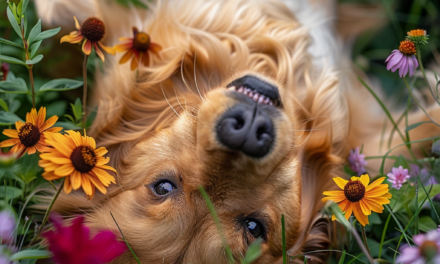
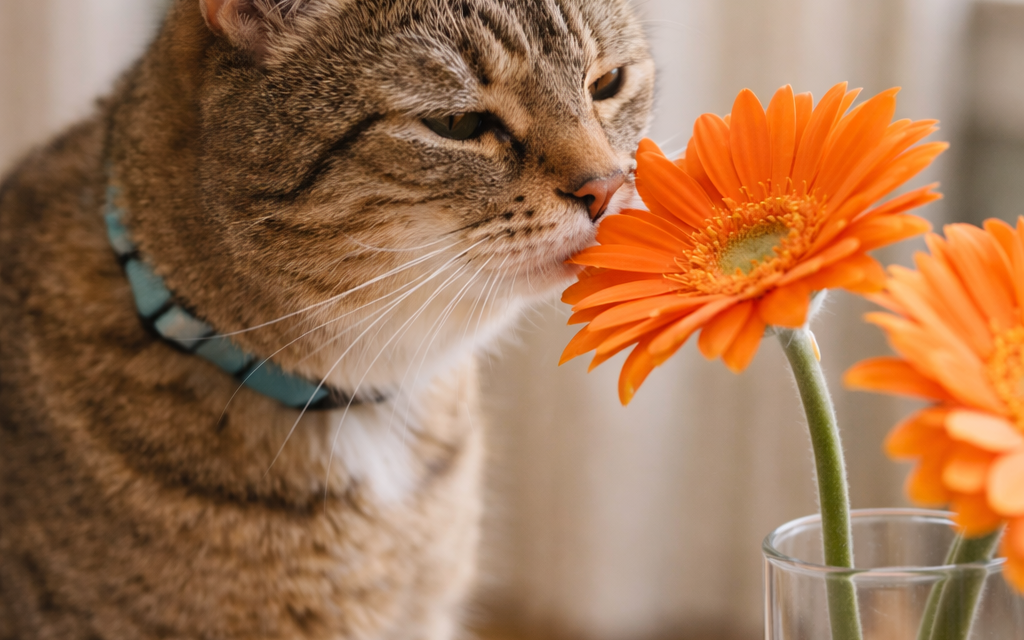
As April arrives in Bedford, many homeowners begin preparing their yards and gardens for the spring season. While fresh flowers and greenery bring beauty to the outdoors, they can also pose hidden dangers to pets. Focusing on plant safety is an important part of pet care this time of year.
1. Watch for Toxic Plants
Many popular spring plants can be harmful to pets if ingested. Flowers like lilies, tulips, daffodils, and hyacinths are common in April but can cause serious health issues, especially for cats and dogs. Even small amounts can lead to stomach upset, or in severe cases, organ damage. Be sure to research any plants before adding them to your yard or bringing them indoors.
2. Be Careful with Mulch and Fertilizers
Spring yard work often includes fresh mulch, fertilizers, and soil treatments. Cocoa mulch, in particular, can be toxic to dogs due to its chocolate-like properties. Fertilizers and pesticides can also be harmful if pets walk through or ingest them. Always store these products securely and follow safety guidelines before letting pets roam.
3. Supervise Outdoor Time
As the weather warms up, pets are naturally eager to spend more time outside. Keep an eye on them while they explore the yard, especially if you’ve recently planted new flowers or treated the lawn. This helps prevent accidental chewing or digging in unsafe areas.
4. Create a Pet-Friendly Space
Consider designing a section of your yard specifically for your pet, using safe grasses or non-toxic plants. This can give them a place to play freely while reducing exposure to hazards.
By staying aware of spring gardening risks, Bedford pet owners can enjoy the season while keeping their pets safe, healthy, and ready for outdoor fun.