Cleveland History
Cuyahoga River Fire (June 22, 1969): An oil slick and debris on the polluted Cuyahoga River caught fire near downtown Cleveland. Although the blaze lasted only about 20–30 minutes, national coverage helped make the river a symbol of environmental degradation and contributed to momentum for environmental reform in the United States.
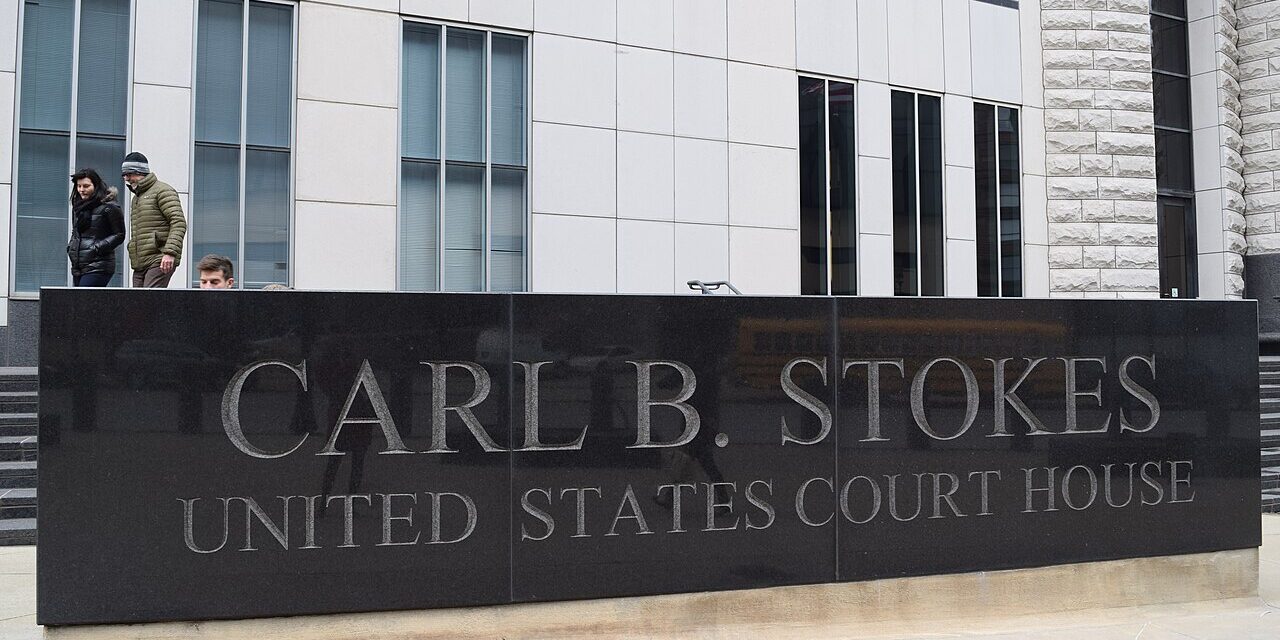
Mayor Carl Stokes’ Pollution Tour (June 23, 1969): The day after the Cuyahoga River fire, Cleveland Mayor Carl Stokes led reporters on a highly publicized tour of the polluted river, helping draw national attention to Cleveland’s environmental challenges. This event played a significant role in transforming a local incident into a national story.
Hough Disturbances Begin (June 23, 1966): Civil unrest erupted in Cleveland’s Hough neighborhood following racial tensions and longstanding concerns over housing, employment, and policing. The disturbances lasted several days and became one of the most significant episodes in Cleveland’s civil rights-era history.
World History
Galileo Forced to Recant Heliocentrism (June 22, 1633): The Roman Inquisition found Galileo Galilei guilty of heresy-related charges for advocating the heliocentric model of the solar system. He was compelled to publicly recant and was sentenced to house arrest, becoming one of the most famous episodes in the history of science and religion.
Battle of Bannockburn Begins (June 23, 1314): Scottish forces led by Robert the Bruce engaged the army of Edward II of England near Stirling, Scotland. The battle, fought over June 23–24, resulted in a decisive Scottish victory and became a turning point in Scotland’s struggle for independence.
Berlin Blockade Begins (June 24, 1948): The Soviet Union cut off all ground access between West Berlin and the Western occupation zones of Germany, triggering the Berlin Airlift. The crisis became one of the first major confrontations of the Cold War.
Korean War Begins (June 25, 1950): North Korean forces crossed the 38th Parallel and invaded South Korea, initiating the Korean War. The conflict quickly drew in United Nations forces led by the United States and later Chinese forces, profoundly shaping East Asian geopolitics.
Assassination of Archduke Franz Ferdinand (June 28, 1914): Archduke Franz Ferdinand of Austria-Hungary and his wife Sophie were assassinated in Sarajevo by Gavrilo Princip. The event triggered the July Crisis and ultimately led to the outbreak of World War I.