Cleveland History
Eliza Bryant Home Opens (August 11, 1897): The Cleveland Home for Aged Colored People, later known as Eliza Bryant Village, opened on Giddings Street. Founded through the efforts of Eliza Bryant and other Black Clevelanders, it was Cleveland’s first nonreligious institution sponsored by African Americans.
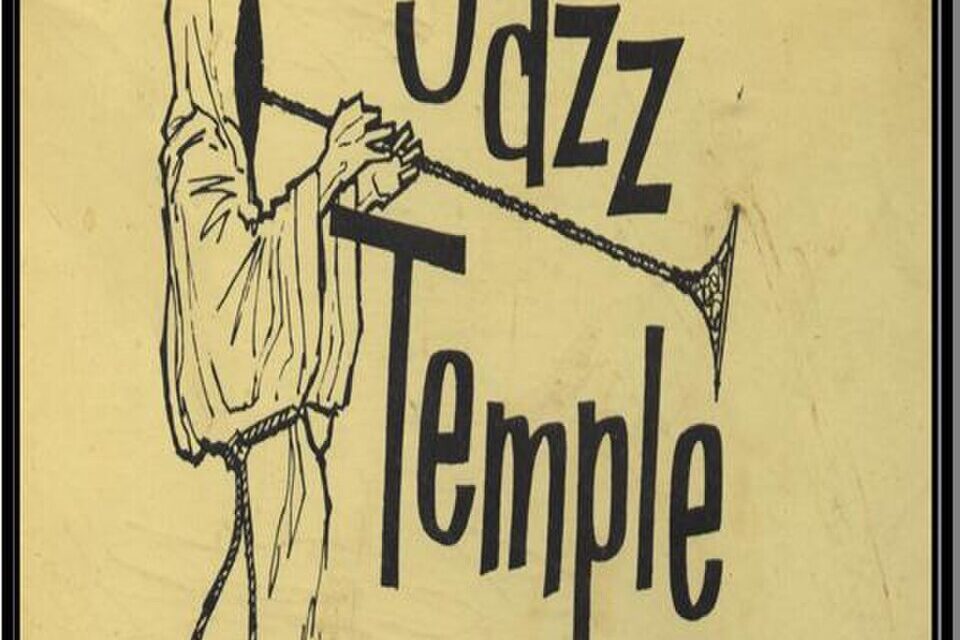
Jazz Temple Bombed (August 13, 1965): The Jazz Temple, an important interracial jazz club in Cleveland, was bombed after receiving repeated threats. The club had hosted leading musicians including Miles Davis, John Coltrane, and Dizzy Gillespie and was an important part of Cleveland’s early-1960s jazz scene.
Cleveland Black Pride Holds Major Celebration (August 14–16, 1998): Cleveland Black Pride held a three-day celebration featuring workshops, arts programming, and community events, while also launching a youth program supporting young Black LGBTQ Clevelanders.
Cleveland Free-Net Adds Internet Access (August 16, 1989): Improvements to the pioneering Cleveland Free-Net were completed, most notably adding Internet access. The community computer network subsequently grew rapidly and became an influential model for similar public-access networks elsewhere.
World History
Treaty of Sèvres Signed (August 10, 1920): Representatives of the Ottoman Empire and Allied powers signed the Treaty of Sèvres following World War I, proposing extensive territorial losses for the Ottoman Empire; it was later superseded by the Treaty of Lausanne.
Berlin Wall Construction Begins (August 13, 1961): East German authorities closed the border between East and West Berlin and began erecting barriers that developed into the Berlin Wall, one of the defining symbols of the Cold War.
Pakistan Gains Independence (August 14, 1947): Pakistan became an independent nation as British rule over the Indian subcontinent ended, with Muhammad Ali Jinnah serving as the new country’s first governor-general.
India Gains Independence (August 15, 1947): India achieved independence from British rule after nearly two centuries of colonial control, with Jawaharlal Nehru becoming the country’s first prime minister.
Japan Announces Surrender in World War II (August 15, 1945): Emperor Hirohito’s recorded address was broadcast to the Japanese people, announcing Japan’s acceptance of the Allied terms of surrender and effectively ending World War II hostilities.