Cleveland History
Great Ohio Flood Rains Begin (March 23, 1913): Heavy rains began falling across Ohio, triggering the catastrophic Great Flood of 1913; while Dayton was hardest hit, communities across Northeast Ohio experienced flooding and infrastructure damage as rivers swelled across the region.
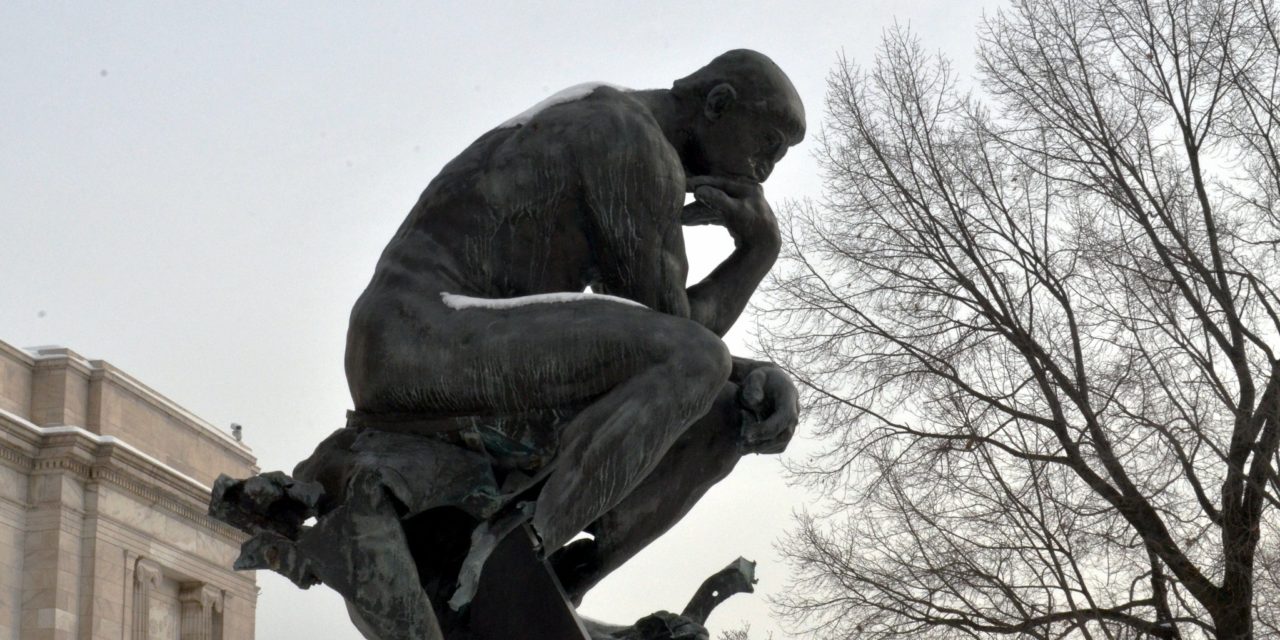
Bombing of The Thinker at the Cleveland Museum of Art (March 24, 1970): A pipe bomb exploded beneath Auguste Rodin’s The Thinker outside the museum, destroying part of the pedestal and the statue’s lower legs; the damaged sculpture was later reinstalled and remains unrestored as a historical artifact.
Great Ohio Flood Peaks Across the State (March 25, 1913): Rivers across Ohio, including waterways affecting Northeast Ohio communities, reached extreme levels during one of the most destructive natural disasters in state history.
Kirtland Temple Dedicated (March 27, 1836): The first temple built by the Latter Day Saint movement was formally dedicated in Kirtland, about 20 miles east of Cleveland, drawing roughly 1,000 attendees and marking a major religious milestone in the Western Reserve.
Rodin’s The Thinker Reinstalled in Damaged State (March 28, 1970): Following the bombing days earlier, the Cleveland Museum of Art decided to preserve the sculpture in its damaged condition and later returned it to display outside the museum as a reminder of the era’s political unrest.
World History
Patrick Henry’s “Give Me Liberty” Speech (March 23, 1775): American patriot Patrick Henry delivered his famous speech to the Second Virginia Convention at St. John’s Church in Richmond, urging the colonies to prepare for armed resistance against British rule.
Exxon Valdez Oil Spill (March 24, 1989): The oil tanker Exxon Valdez ran aground in Alaska’s Prince William Sound, spilling about 11 million gallons of crude oil and causing one of the most devastating environmental disasters in U.S. history.
British Slave Trade Abolition Act Passed (March 25, 1807): The British Parliament passed legislation abolishing the transatlantic slave trade throughout the British Empire, a major milestone in the international abolition movement.
Great Alaska Earthquake (March 27, 1964): A magnitude 9.2 earthquake struck southern Alaska, the most powerful recorded in North American history, triggering massive landslides and tsunamis that caused widespread destruction.
Three Mile Island Nuclear Accident Begins (March 28, 1979): A partial reactor meltdown began at the Three Mile Island nuclear power plant in Pennsylvania, becoming the most serious accident in U.S. commercial nuclear power history and prompting major reforms in nuclear safety regulation.