Ohio History
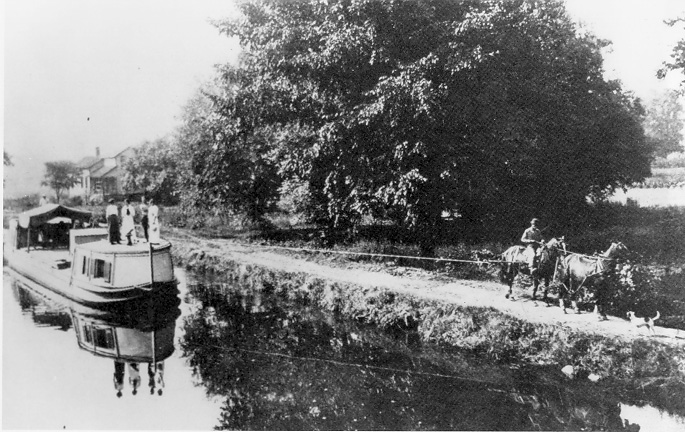
Ohio & Erie Canal Construction Authorized (March 2, 1825): The Ohio General Assembly approved construction financing for the Ohio & Erie Canal, the waterway that would transform Cleveland into a major Great Lakes port and commercial center.
Standard Oil Incorporated (March 3, 1870): John D. Rockefeller incorporated Standard Oil in Cleveland, establishing the company that would dominate the American oil industry and cement Northeast Ohio’s place in global petroleum refining.
Cuyahoga County Organized (March 4, 1810): The Ohio General Assembly formally established Cuyahoga County, separating it from Geauga County and laying the governmental foundation for Cleveland and surrounding communities.
William Howard Taft Inaugurated (March 4, 1909): Ohio native Taft was sworn in as the 27th President of the United States.
World History
Texas Declares Independence (March 2, 1836): Delegates at Washington-on-the-Brazos adopted the Texas Declaration of Independence from Mexico.
Jones-Shafroth Act Signed (March 2, 1917): President Woodrow Wilson signed legislation granting U.S. citizenship to residents of Puerto Rico.
COMECON Founded (March 2, 1949): The Soviet Union and Eastern Bloc nations established the Council for Mutual Economic Assistance to coordinate socialist economies during the Cold War.
“The Star-Spangled Banner” Adopted (March 3, 1931): President Herbert Hoover signed legislation making the song the official national anthem of the United States.
Rodney King Beating Videotaped (March 3, 1991): The videotaped beating in Los Angeles ignited national debate over policing and civil rights.
Abraham Lincoln Second Inauguration (March 4, 1865): Lincoln delivered his Second Inaugural Address as the Civil War neared its end.
Boston Massacre (March 5, 1770): British troops fired on colonists in Boston, escalating tensions that contributed to the American Revolution.
Winston Churchill’s “Iron Curtain” Speech (March 5, 1946): Churchill warned of Soviet expansion during a speech in Fulton, Missouri, marking an early Cold War milestone.
Dred Scott Decision (March 6, 1857): The U.S. Supreme Court ruled that African Americans were not citizens and that Congress lacked authority to prohibit slavery in the territories, intensifying sectional tensions before the Civil War.
Battle of the Alamo Ends (March 6, 1836): Mexican forces captured the Alamo after a 13-day siege during the Texas Revolution.
Alexander Graham Bell Receives Telephone Patent (March 7, 1876): Bell secured a U.S. patent for the telephone, revolutionizing global communication.
Bloody Sunday in Selma (March 7, 1965): Civil rights marchers were attacked by state troopers on the Edmund Pettus Bridge, accelerating passage of the Voting Rights Act.
Battle of Hampton Roads Begins (March 8, 1862): The clash between the ironclads USS Monitor and CSS Virginia began, transforming naval warfare during the Civil War.
International Women’s Day Demonstrations (March 8, 1917): Women textile workers in Petrograd launched strikes that helped spark the Russian Revolution; March 8 later became International Women’s Day.