Fermenting is one of the oldest cooking and food preservation techniques in the world, valued for both its practical benefits and its deep cultural significance. At its core, fermentation is a natural process where beneficial bacteria or yeast break down sugars in food, transforming them into acids, gases, or alcohol. This process not only preserves food but also enhances flavor, texture, and nutritional value.
How Fermentation Works:
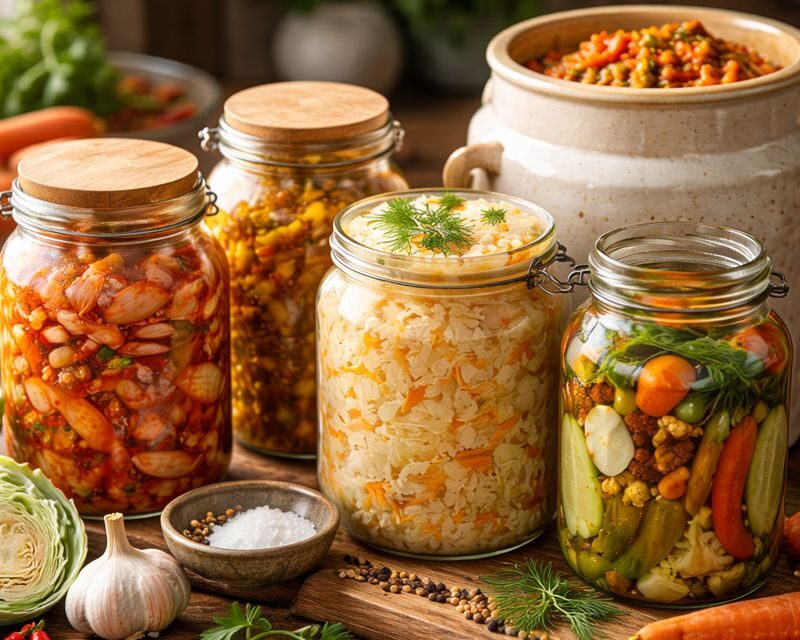
Fermentation begins when microorganisms—such as lactic acid bacteria or yeast—consume natural sugars in foods. As they do, they produce compounds that prevent harmful bacteria from growing. This creates a safe, shelf-stable product with a distinct tangy, complex flavor. Common fermented foods include sauerkraut, kimchi, yogurt, sourdough bread, miso, and pickles.
The environment is key to successful fermentation. Salt is often used to draw moisture from vegetables and create conditions that favor beneficial bacteria. Time and temperature also play an important role, allowing flavors to develop slowly and naturally.
Benefits of Fermenting in Cooking:
- Improved digestion: Fermented foods support gut health by introducing beneficial probiotics.
- Enhanced flavor: Fermentation adds depth, acidity, and complexity that can’t be achieved through quick cooking methods.
- Preservation: This technique extends the life of seasonal foods without refrigeration.
- Nutrition: Fermentation can increase vitamin levels and make nutrients easier to absorb.
Fermentation and the New Year:
In many cultures, fermented foods are eaten around the New Year to symbolize renewal, health, and transformation. Just as fermentation turns simple ingredients into something richer and stronger, the New Year represents personal growth and fresh beginnings.
Incorporating fermentation into your cooking—especially at the start of the year—is a meaningful way to honor tradition while nourishing both body and spirit.