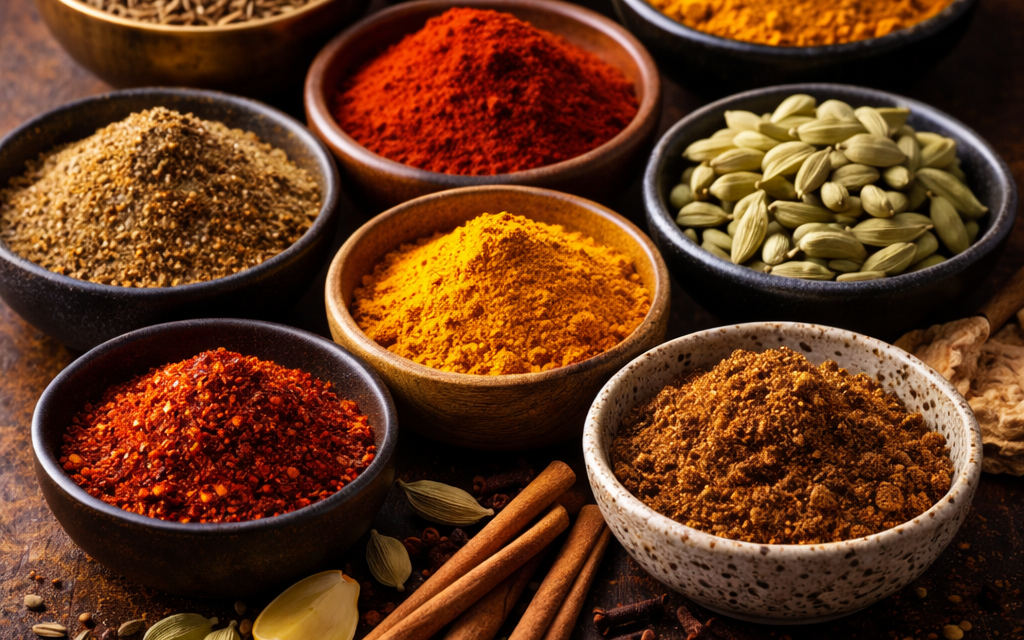
A spice profile represents the core flavors that define a cuisine. Understanding these flavor foundations allows cooks to season confidently and cook with greater awareness of balance and intention. Indian cuisine offers one of the most layered and complex spice profiles in the world, built on warmth, aroma, and careful layering rather than simple heat.
Indian spices often include cumin, coriander, turmeric, mustard seeds, cardamom, cloves, cinnamon, fenugreek, and chili powder. These spices are rarely used alone. Instead, they are combined thoughtfully to create depth and dimension. Turmeric provides earthy color and subtle bitterness, while cumin adds warmth and grounding flavor. Coriander brightens dishes with a citrus-like note, and cardamom introduces sweetness and fragrance. Chili powder adds heat, but in balanced dishes it enhances rather than dominates.
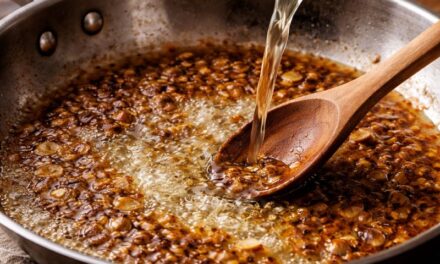
One hallmark of Indian cooking is the layering of spices at different stages. Whole spices may be tempered in hot oil at the beginning of cooking to release their essential oils. Ground spices are often added later to bloom gently without burning. This technique builds complexity in stages.
Spice blends such as garam masala are typically added near the end of cooking to preserve their aromatic qualities. Understanding this timing is essential to achieving authentic flavor.
Learning the Indian spice profile teaches cooks how to build flavor gradually and balance warmth, brightness, and heat. It also fosters cultural appreciation. When cooks understand how and why spices are used, they gain both confidence and respect for one of the world’s most dynamic culinary traditions.