While cats and dogs are beloved companions, many families in Bedford also enjoy caring for small pets. These animals can fit well into smaller living spaces and offer unique, engaging relationships. Among the most common small pets—according to general pet ownership trends—are guinea pigs, hamsters, and rabbits. Each has its own personality and care needs, so it’s helpful to understand what makes them great companions.
1. Guinea Pigs
Guinea pigs are often considered the most popular small pet after cats and dogs. They’re gentle, social, and enjoy interaction with their owners. Guinea pigs thrive in pairs, so consider adopting two if possible. They need a spacious cage with soft bedding, fresh water, and a diet rich in hay, fresh vegetables, and fortified pellets. Guinea pigs also benefit from daily handling and playtime outside their enclosure.
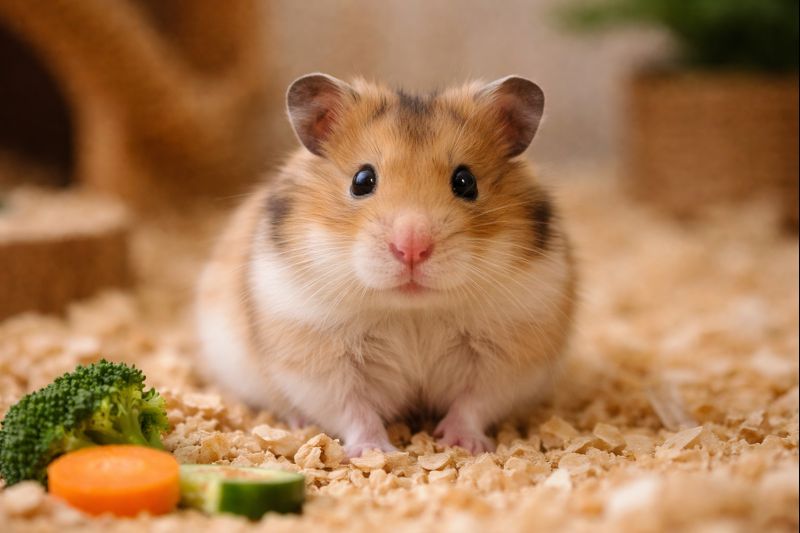
2. Hamsters
Hamsters are another common choice, especially for first-time pet owners and families with older children. They’re small, nocturnal, and curious. Provide a secure habitat with tunnels, exercise wheels, and chew toys to keep them active. A diet of hamster pellets, fresh veggies, and occasional fruit treats works well. Be mindful that hamsters can be shy, so gentle handling is important.
3. Rabbits
Rabbits are larger and typically require more space, but they’re incredibly affectionate and can bond closely with their owners. Rabbits need a roomy enclosure, regular access to a safe play area, and a diet based on hay, leafy greens, and rabbit-specific pellets. Litter training is often possible, and many families enjoy the interactive nature of caring for a rabbit.
Tips for All Small Pets
- Daily Care: Fresh water, clean bedding, and regular feeding are essential.
- Social Interaction: Most small pets benefit from daily handling and mental stimulation.
- Safe Environments: Ensure enclosures are secure and predator-proof, especially if housed in garages or outdoor spaces.
Small pets can bring joy and companionship into Bedford homes. With proper care and understanding of their needs, these tiny companions can thrive year-round.