When July temperatures climb into the 80s and 90s, it’s only natural to start looking for ways to cool off. While many people head to pools or splash pads, others are drawn to natural swimming holes, creeks, rivers, and quarries around Northeast Ohio. These places can be beautiful, but they also come with risks that aren’t always obvious.
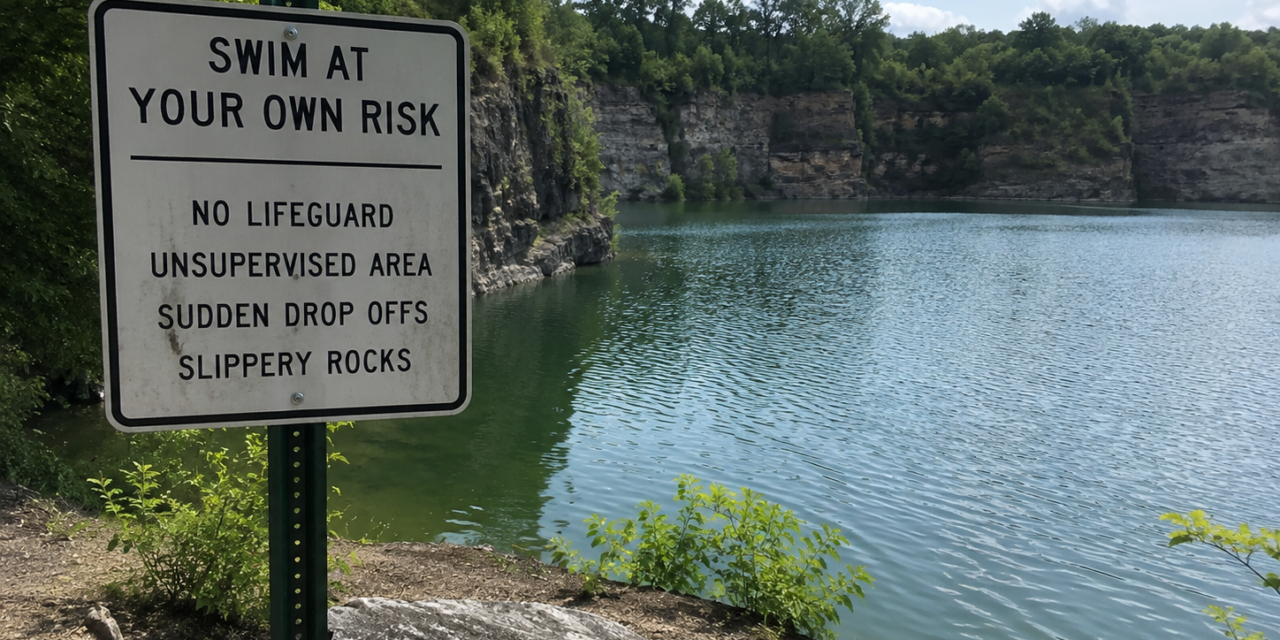
Unlike public pools, natural waterways aren’t monitored or maintained. Water depth can change dramatically after heavy rain, currents may be stronger than they appear, and submerged rocks, logs, or branches can hide just below the surface. Even clear water can make it difficult to judge how deep it really is.
Before swimming, make sure it’s a location where swimming is actually permitted. Many parks and waterways prohibit swimming to protect both visitors and sensitive natural habitats. Respect posted signs and barriers—they’re there for a reason.
If swimming is allowed, never dive into unfamiliar water. Enter feet first so you can check the depth and watch for hidden obstacles. Wearing water shoes can also help protect your feet from sharp rocks, broken glass, fishing hooks, or other debris.
It’s also a good idea to swim with a friend and let someone know where you’ll be. Keep an eye on changing weather, especially if thunderstorms are in the forecast, and remember that even on hot July days, natural water can be surprisingly cold.
Natural swimming spots can be a refreshing way to enjoy summer, but they deserve the same respect as any other outdoor adventure. With a little planning and good judgment, you can cool off safely while making the most of everything a Northeast Ohio summer has to offer.